
Ramadan is one of the most significant months in the Islamic calendar, observed by millions of Muslims worldwide. Beyond the shared core practices of fasting (sawm), prayer, and charity, Ramadan is also a time when local cultures shine, infusing the month with unique customs, foods, and celebrations. From bustling cities to quiet villages, the way Ramadan is experienced around the world showcases a beautiful intersection of faith and tradition.
Understanding Ramadan
Ramadan commemorates the month when the Qur’an was revealed to Prophet Muhammad. Fasting from dawn until sunset teaches discipline, compassion, and spiritual reflection. While the foundation of Ramadan is the same everywhere, regional variations in customs, meals, and rituals make the experience rich and diverse.
Middle East and North Africa
The Middle East is often associated with Ramadan, where centuries-old traditions thrive.
- Iftar Gatherings: In countries like Saudi Arabia, Egypt, and Morocco, breaking the fast is a communal event. Dates, soups like harira, and small pastries often start the meal, followed by family feasts.
- Suhur: The pre-dawn meal is hearty, including eggs, beans, and bread, providing energy for the day ahead.
- Tarawih Prayers: Nightly prayers and Qur’an recitations foster a sense of community.
- Egyptian Lanterns: Fanous lanterns light streets and homes, adding a festive glow that delights both children and adults.
South Asia: Pakistan, India & Bangladesh
In South Asia, Ramadan is synonymous with vibrant flavors and social energy.
- Street Food: Cities like Karachi, Lahore, and Dhaka are alive with stalls selling pakoras, kebabs, biryani, and sweets like jalebi.
- Special Drinks: Refreshing beverages like rooh afza, lassi, and borhani help break the fast.
- Charity: Feeding programs organized by mosques and local groups highlight the month’s emphasis on generosity.
Southeast Asia: Indonesia, Malaysia & Singapore
Southeast Asian communities add their own flair to Ramadan.
- Ramadan Bazaars: Vibrant markets sell satay, nasi padang, kuih, and other delicacies. These bazaars are not only for shopping but also socializing.
- Communal Iftar: Families and neighbors gather at mosques or homes for shared meals.
- Tadarus: Group Qur’an recitations strengthen community bonds and spiritual reflection.
East Africa: Somalia, Kenya & Tanzania
Along the Swahili coast and inland regions, Ramadan reflects rich cultural heritage.
- Iftar Foods: Coastal areas favor mishkaki, mandazi, and spiced tea, while inland dishes include lentil stews, pasta, and injera.
- Community Life: Mosques organize prayers and Qur’anic study sessions, fostering connection between generations.
West Africa: Nigeria, Senegal & Ghana
West African Ramadan is festive, with colorful markets and traditional music.
- Markets: Evening markets overflow with jollof rice, grilled fish, and snacks like kuli-kuli.
- Drum Music: Music and storytelling accompany communal iftars, blending spiritual reflection with cultural expression.
- Charity: Feeding the less fortunate is a central practice, reinforcing Ramadan’s compassionate spirit.
Central Asia: Uzbekistan, Kazakhstan & Kyrgyzstan
In Central Asia, hospitality and culture enhance the observance of Ramadan.
- Plov and Tea: Iftar meals often feature plov and hot tea, symbolizing warmth and community.
- Suhur Traditions: Pre-dawn meals include tea, bread, and fruits, enjoyed in family gatherings.
- Cultural Performances: Poetry, storytelling, and music sometimes accompany evening prayers, blending faith with local heritage.
Europe and North America
In Western countries, Muslims maintain traditional practices while adapting to local contexts.
- Community Iftars: Mosques in cities like London, Paris, and Toronto host communal iftars, bringing together people from diverse backgrounds.
- Interfaith Engagement: Many communities invite non-Muslims to experience Ramadan, fostering understanding.
- Balancing Schedules: Work, school, and fasting are balanced with flexibility and support from communities.
Latin America
Though Muslim populations are smaller, Ramadan is observed with creativity.
- Family-Centric Iftars: Meals often combine local flavors with Middle Eastern and South Asian dishes.
- Community Outreach: Public events invite neighbors to share in Ramadan experiences, building awareness and connection.
Unique Global Traditions
Some customs stand out for their charm and historical significance:
- Dawn Drummers: In Nigeria and Malaysia, drummers wake neighborhoods for suhur, energizing early mornings with rhythm.
- Lanterns and Music: Egypt’s lanterns, Turkey’s Ottoman-style drumming, and Malaysia’s beduk traditions demonstrate how culture and faith intertwine.
Ramadan’s Universal Lessons
Despite geographical differences, the essence of Ramadan remains universal:
- Compassion and Empathy: Understanding hunger and helping those in need.
- Self-Discipline: Strengthening patience and mindfulness.
- Community Bonds: Sharing meals, prayers, and experiences.
- Spiritual Reflection: Deepening one’s relationship with God through prayer and Qur’an study.
Savoring Ramadan Locally: Blue Room, Mombasa
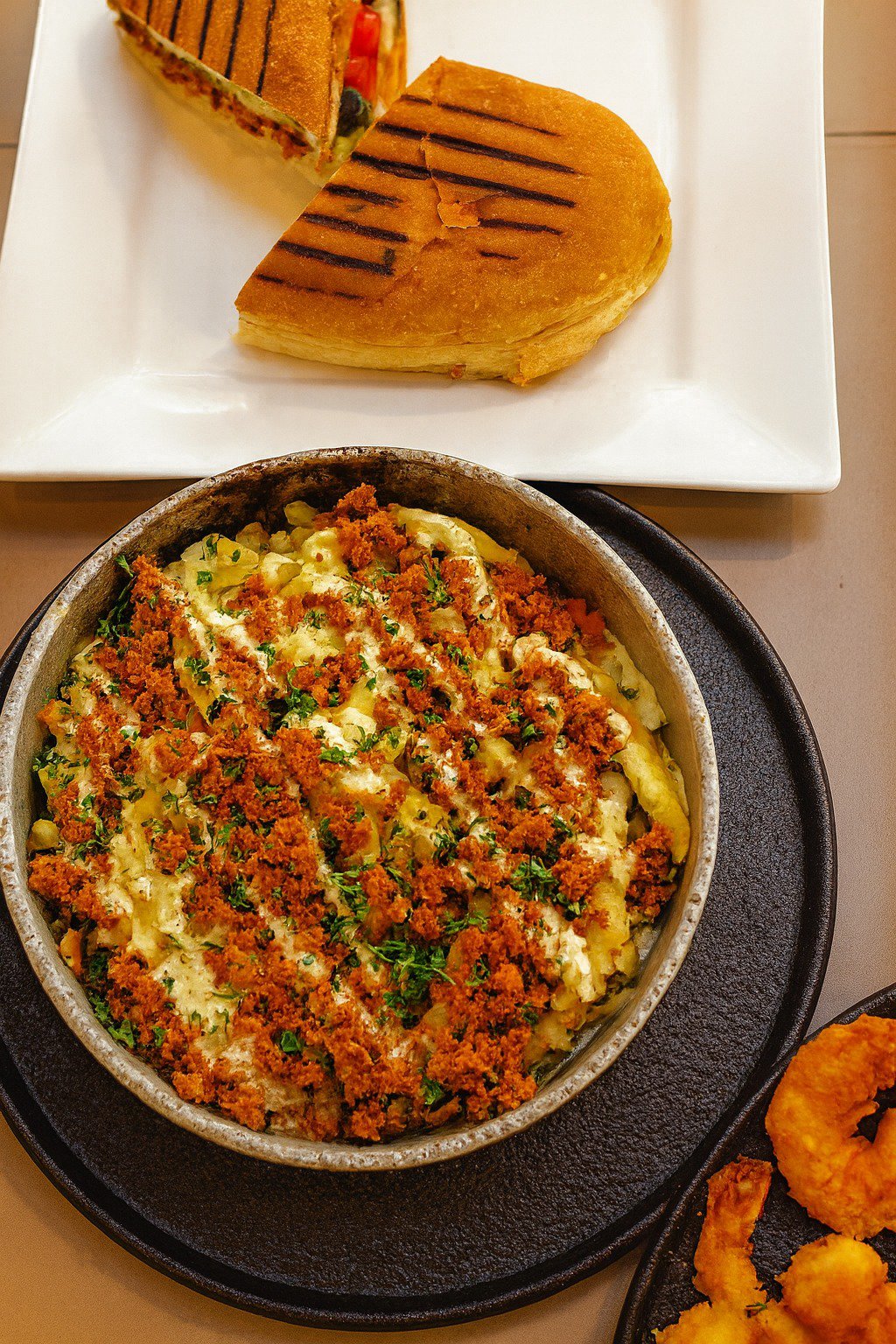
For those in Mombasa, experiencing Ramadan is not only about spiritual practice but also enjoying the local culinary culture. Blue Room Restaurants Mombasa offers a welcoming environment to break your fast with family and friends. From freshly prepared iftar meals to cozy settings perfect for communal gatherings, Blue Room provides a taste of Ramadan that blends tradition with hospitality, making it an ideal spot to celebrate the month’s spirit.
Ramadan is more than fasting; it’s a month of connection, reflection, and cultural richness. Around the world, communities uphold shared values while embracing local customs, proving that faith and tradition can unite people across continents — whether through colorful lanterns in Cairo, bustling bazaars in Jakarta, or a heartfelt iftar at Blue Room in Mombasa.